
“The sacrifices a māmā makes to ensure their pēpi receives the best start in life is enveloped in aroha. Enabling māmā to make the best oral health decisions based on good advice, support, treatment and information is a primary opportunity to empower hapū māmā to make the best decisions for themselves, their pēpi and their whānau.” – Anne-Marie Maikuku, Strategic Lead Oral Health, Clare Foundation.
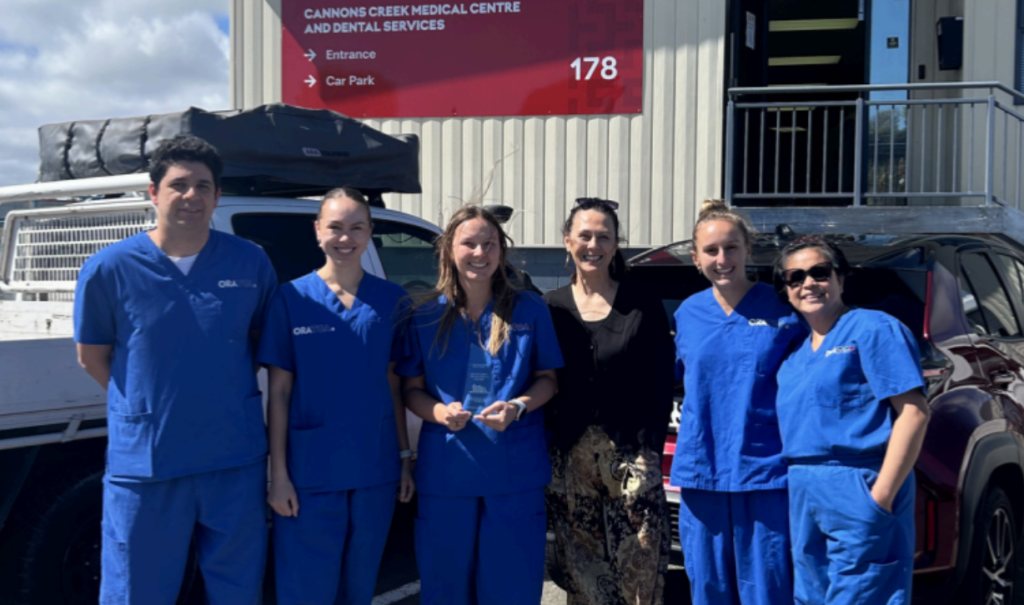
In late 2023, Clare and Ngāti Toa Rangatira partnered up to pilot a project and the evaluation for hāpu māmā in Porirua East – in turn creating a system of “intergenerational prevention” and ensuring strong oral health outcomes.
The dental team provided dental care to roughly 150 māmā, focusing not only on treating disease but also on restoring confidence; from routine examinations and hygiene services through to complex full-mouth rehabilitation and referrals to specialist services. Toa’s approach recognises “māmā as matriarchs, holders of whakapapa, and taonga deserving of high-quality, dignified care”, community dentist Margaret Clark notes. Through kōrero with clients, oral health providers noted that māmā felt a great impact on their hauora, confidence and ability to self-manage their oranga niho after being involved in this pilot.
An ad-hoc evaluation showed that the average treatment costs identified were worth around two to two-and-a-half weeks of income. This means that for many whānau, there is a need to choose between oral health care and essential household costs.
But this pilot showed not only to be uplifting for whānau and their well-being – for clinicians, supporting hapū māmā was deeply beneficial for their hauora, with dentist Dr Pocklington noting “Working with hapū māmā has been rewarding and enjoyable. Māmā are completing treatment and are leaving confident and empowered in their own oral health and in educating their whānau. Patients are so thankful to be able to receive a full course of treatment. To be able to relieve the financial burden in what is already a stressful time in their lives is incredibly valuable.”
Overall, this pilot emphasises that maintaining a reflexive, community-responsive model without service limits of financial parameters shows Aotearoa’s healthcare system what equitable, mana-enhancing hapū māmā oral health care can look like. When care is flexible, relational, and grounded in kaupapa Māori, it not only improves oral health outcomes but also strengthens whānau wellbeing and supports intergenerational change.
Now the Hāpu Māmā Dental Programme moves into a national research context. The model developed and refined at Ora Toa has been presented to a Research Team as part of their large Health Research Council‑funded rangahau focused on maternal health. This has been a great outcome for the hapū māmā project as it allows this style of care to hopefully continue in coming years without the need for further philanthropic help.
Recommendations:
Considering the high disease burden, strong cost efficiency, and broader social and intergenerational benefits demonstrated in this evaluation, several actions are recommended to strengthen maternal oral health outcomes.
- Providers should expand wraparound antenatal oral health services within community clinics and Māori oral health providers, integrating oral health care with antenatal education and strengthening partnerships between the cultural workforce, midwives, and dental teams.
- Funders should prioritise investment in community and kaupapa Māori service models, where evidence from this programme shows care can be delivered at approximately half the private practice cost while reaching priority populations and supporting prevention.
- Policy makers should support the development of standardised reporting tools that capture whānau-centred outcomes, not just treatment outputs, and pilot a co-designed maternal oral health service model in one region to test scalable approaches. Together, these actions would support a sustainable, culturally responsive maternal oral health system that delivers strong return on investment while improving outcomes for hapū māmā and their tamariki.